
By Alba Barrecheguren Gutierrez, APHA Veterinary Advice Services
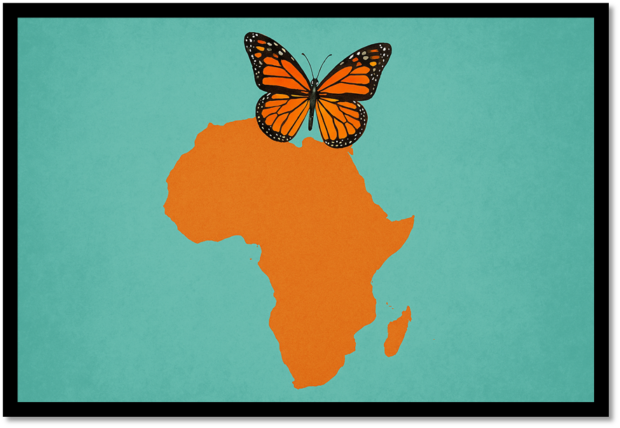
Back in the 1960, Edward Lorenz introduced the concept that small changes within complex systems can lead to significant and far-reaching consequences. Often referred to as the butterfly effect, the theory suggests that even something as insignificant as the flap of a butterfly’s wings in one part of the world could ultimately contribute to a hurricane elsewhere.
This idea can be applied to disease control.
During my recent work in Ghana, I saw a clear example of how technical expertise, when applied in the right context, can contribute to meaningful changes in disease control far beyond national borders.
Just over a month ago, I had the pleasure of travelling to Ghana at Anthony Fooks’ (Head of a World Organisation for Animal Health (WOAH) International Reference Laboratory for Rabies and Director of a World Health Organisation (WHO) Collaborating Centre for One Health Operationalization in Rabies) invitation as part of a rabies project funded through TDDAP2, a programme supported by the UK Foreign, Commonwealth & Development Office (FCDO).
The goal is bold but clear: zero human deaths from dog-mediated rabies by 2030. On paper, it might sound like a simple equation – funding, vaccines, campaigns. But anyone who works in this field knows it’s far more complex than that. If anything, it’s the butterfly effect in action.
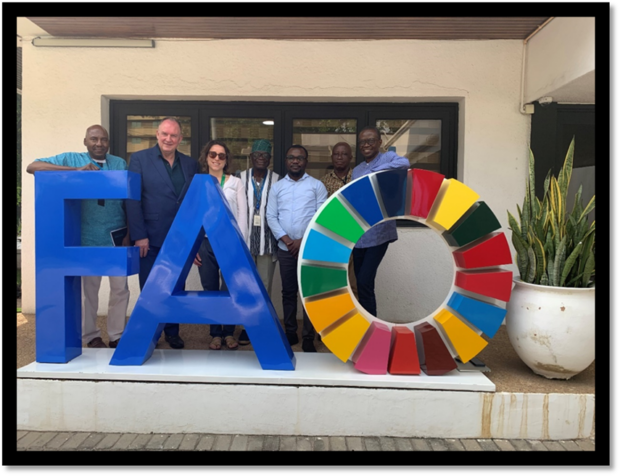
Over four intense days, we met with an incredible range of partners: WHO, FAO, NGOs, human and animal health authorities, laboratories, and wildlife representatives. Everyone was working towards the same goal, but from very different angles. What became clear very quickly is that success depends on collaboration and mutual learning.
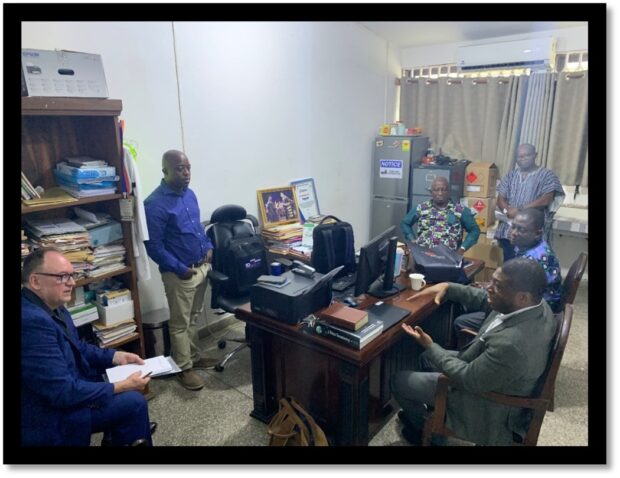
From our side, it meant listening- really listening- to the realities on the ground. Cultural factors, logistical constraints, climate and infrastructure. From their side, there was openness to hear how our experience might help strengthen what they were already doing.
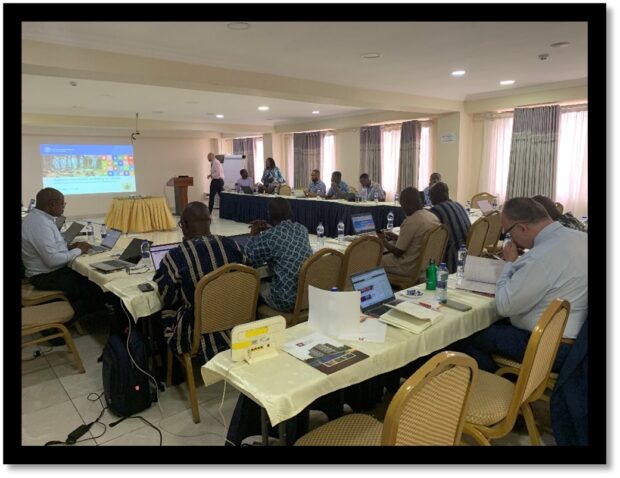
We spent time analysing surveillance data and talking through laboratory processes, looking at why rabies case numbers differed so much between regions. Why here and not there? Does seasonality play a role? Do the rains affect the transport of samples? Are there local practices that influence exposure or reporting? Each question led to another.
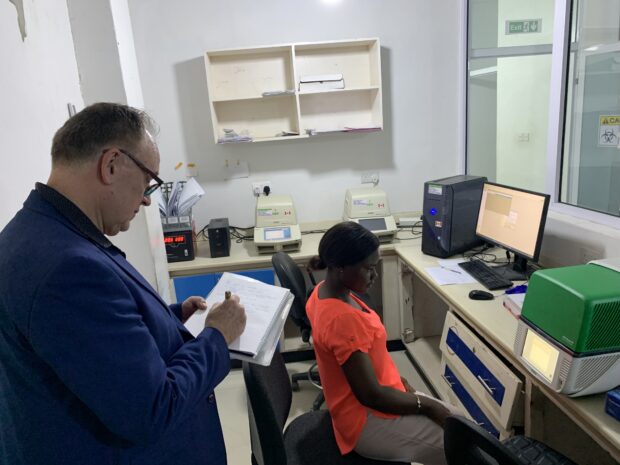
Two weeks after the visit, we brought everything together in an online meeting with Ghanaian partners, where we shared practical recommendations: how to use existing resources more efficiently, how to strengthen links between laboratories and health services, and how coordination between animal and human health sectors could make a real difference.
So why Ghana?
Because Ghana is committed to reaching zero dog-mediated human rabies deaths by 2030. One of the most encouraging moments of the visit was seeing how much progress had already been made since Tony’s previous visit- especially improvements in sample collection and processing. That was something we could all be proud of.
Ghana has the potential to become the first country in the region to achieve this goal- and in doing so, to show others that it can be done. And sometimes, that’s all it takes. One success story. One country proving it’s possible. One butterfly setting change in motion.
Recent Comments